#06 FINALIZING THE IDEA & RETURNING to production
Saturday September 26th - Friday October 2th -
This week is about returning to production with a clearer map and goals in mind, and continuing to refine the concepts while finalizing a direction to move forward.
This week is about solidifying concepts, presenting more concrete ideas for thesis work to committee members, and contacting them to ask about IRB processes, specifically related to my work and ideas.
This week has been about presenting the idea of having one large project- one large project that brings the focus of everyone in the gallery to one location and encourages everyone to participate in one shared activity rather than dividing focus and supporting the idea of togetherness and gathering. I presented this idea to my committee members and discussed this proposed solution!
Feedback, readings, podcasts, and a lot of thoughts, theories, and writing!
*Photo of the weekInspiration column
Still From Video
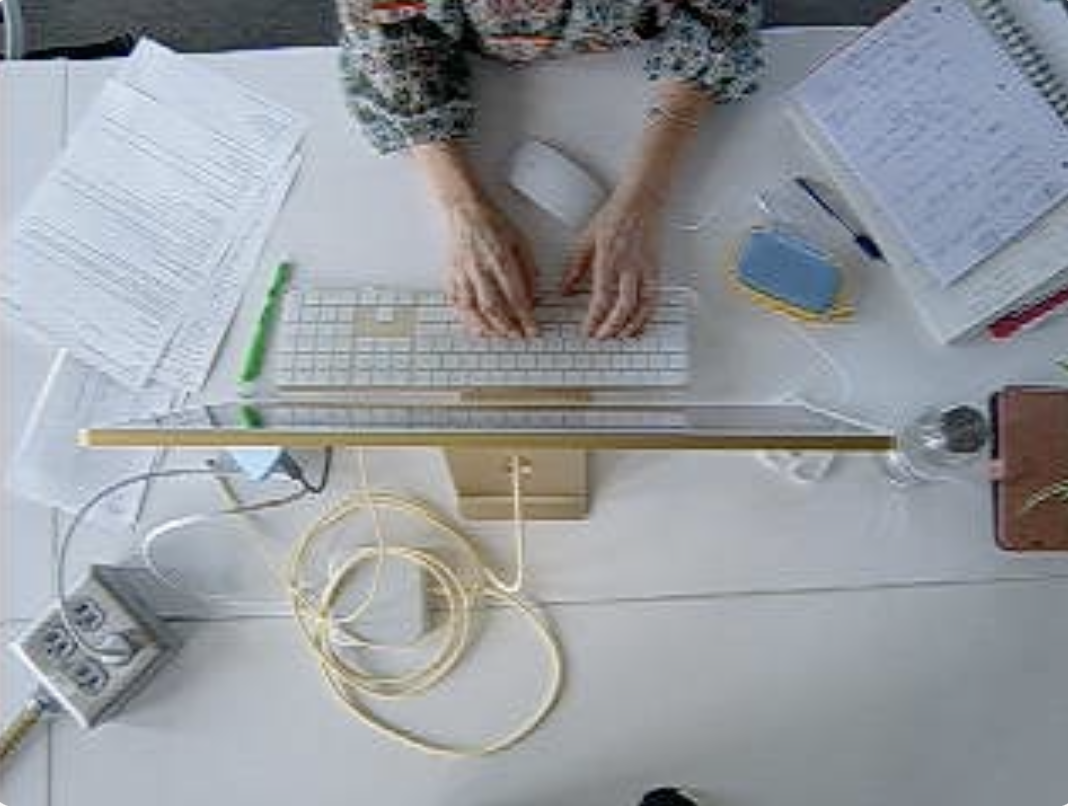
The final video take aways
Monday September 28 -
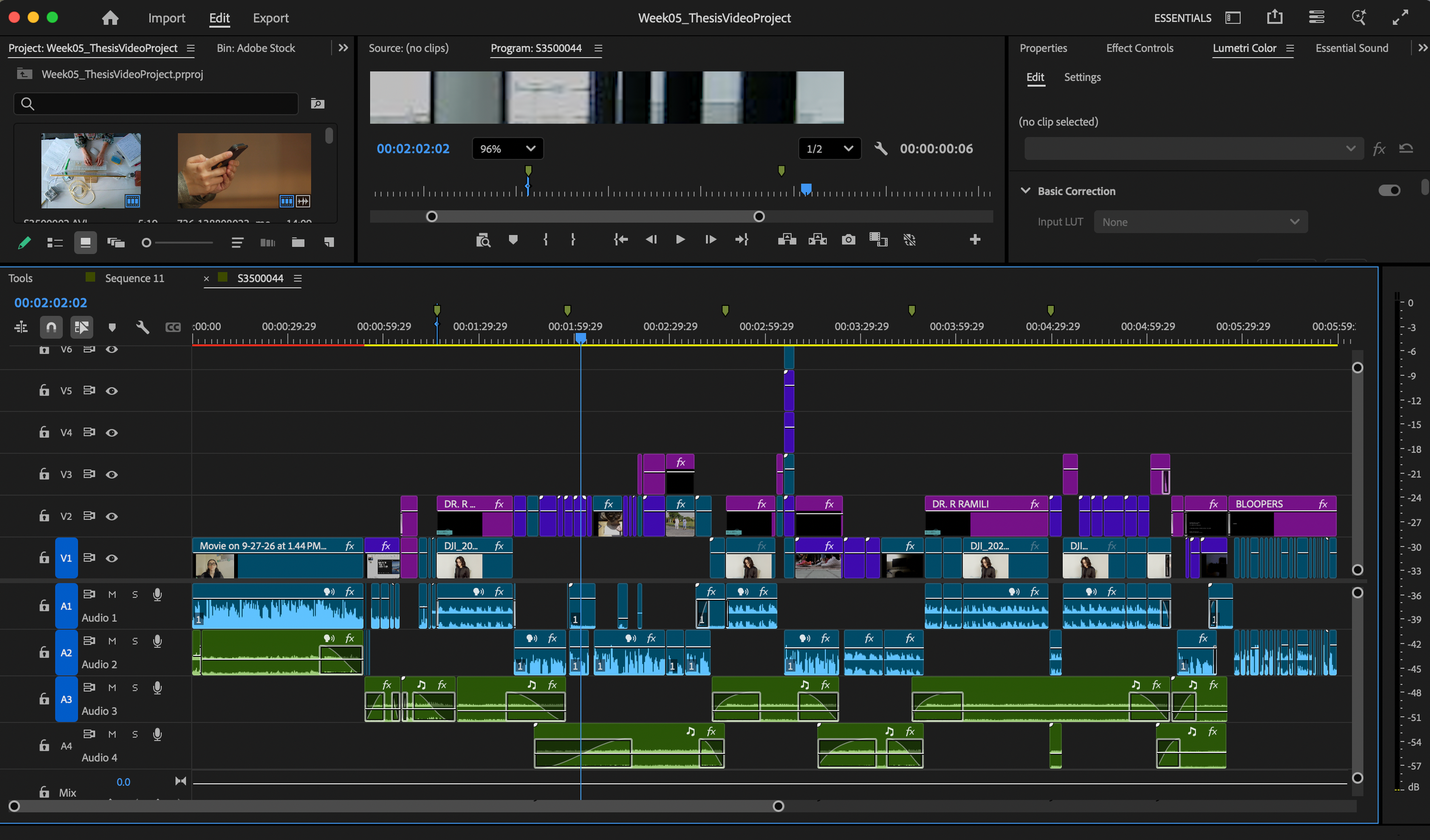
Class Notes - The emphasis on greetings and starting conversations was highlighted as successful and was well received in class.
The focus of the discussion in relation to the confessions was on the greetings and the starting of conversations. I know I personally found it very intriguing how similar all the stories were.
Creating the video was enlightening; being able to take the concept and create a more dramatized version of it helped me recognize what needed to stay in the thesis and what was simply there to add effects to the video.
As I repeated in week #5, the way cellphones and technology are portrayed in the video is not the thesis's end goal. The idea is NOT to blame cellphones or say that this thesis by any means is a way to get people away from their phones; this, for now, is an exploration into the ways people gather, and a space/system that could enourage gathering, connection, and build a stronger sense of community between people within temporary semi-public spaces.
Listening Notes & Podcast Conversations
Monday, September 28 -
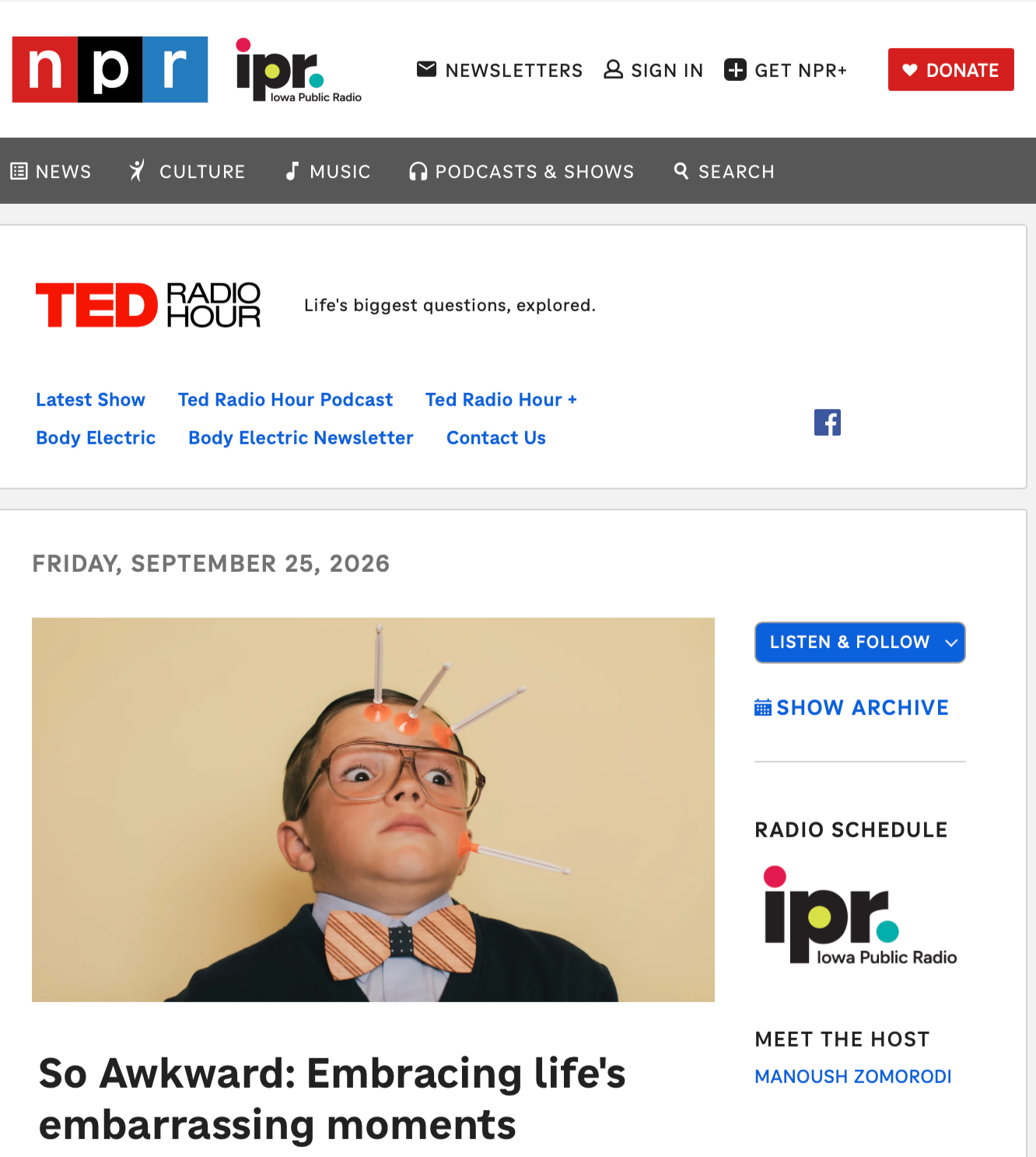
A recommendation from the class professor/major professor was to listen to a recent TED Radio Hour on NPR: “So Awkward: Embracing life's embarrassing moments”
My first reaction was that it was a great listen; my second was that the stories submitted to the anonymous form could have been added seamlessly to that podcast series and would have blended right in. My final reaction, after sitting with the conversations and thinking about the talk, is that this solidified that I do not want to approach the work as a study of human behavior, nor do I want to dive into the psychology of why people feel the way they do. I do acknowledge the level of importance here - I need to be aware; I need to look for more readings and listen to the full TED Talks because the way people might react is important in terms of how to design a system focused on gathering, connection, co-presence, and play.
MORE COMMENTS & NOTES
Monday, September 28 -
A conversation with a committee member highlighted how difficult it can be to bring people together. Consider simpler, more mundane examples like dinner parties: people tend to group with their comfort person, someone they know better, or the group they came to the party with. Keeping that in mind is important to the thesis.
Acknowledging that the task at hand is difficult will help me approach it better and develop a more solid solution, while also keeping in mind that connection and shared play, exploration, and experiencing wonder are all beneficial and positive outcomes for a solution like this. The system doesn’t ask you to meet someone new or separate from the people you know or came with; it encourages openness, receptiveness, and shared experiences in public and semi-public spaces.
This is also important to define and communicate to committee members so I can send the right message and explain what I have been thinking of creating, how I want people to participate and approach it, the supporting graphics, and more!
REFINING AND DESIGNING: clearer direction
Wednesday, September 30 -
What I'm thinking now is a rug-and-urban-mass combination: two pieces intertwined as one. I am imagining the urban mass/seating extruding from the rug, forming one large solution in the middle of the exhibition space, with all the digital interactions and different systems working out of this single piece.
Color could separate the interactions and help guide people through the space. A single person can't use the system alone, which reinforces its purpose and emphasizes the community-building aspect: it takes multiple people for the reaction and output to begin, and the more people involved and included, the larger the reaction becomes.
I also want to keep people in the space by creating an environment where they feel their joint effort and presence contribute to the larger output. This doesn't necessarily mean there is an end goal to achieve, even though I am not eliminating that idea. I want there to be enough differences in the outputs and reactions, in terms of light, sound, and visual output, enough ways to explore, and outputs that people want to stay in the space.
The end goal is to create a comfortable, dynamic space where people understand they need to work together and solve a puzzle. Interactions and reactions that are seemingly separate work together to create a fluid experience.
I wanted to bring back this list from last week’s post -
And emphasize that there are different levels of connection. Now, they require more research and a deeper understanding of each, but for now, this is where I want to begin. I want to use this as a jumping-off point:
Levels of connectionCo-presence within a shared space and experience.
Acknowledgment, a smile, a laugh, eye contact
Coordination, moving, and acting simultaneously
Conversation and the exchange of words
Continuation, conversing beyond the activity
Now back to the system/solution -
Connecting back to points made in previous weeks, people will have different levels of comfort interacting within a space. I thought about this point a lot and was told, of course, that I cannot please everyone, but considering that someone might not be comfortable sitting on the ground, or might not be able to, is important to me. It also allows me to explore different levels of interaction. This also makes me envision the solution more like a landscape.
Someone can stand at the edge of the rug (co-presence)
Someone would have the option to lie down on the rug or sit on a low section next to someone else (acknowledgment)
Someone can step into the center of the system and ask to contribute to the system without even knowing how important their presence was to the larger reaction that had just occurred (Coordination)
Someone can be asked to join, to do something specific, since the people already in the space realized they need a 5th person (Conversation)
These were all written and thought of in relation to the connection spectrum above.
Along with the system not working unless multiple people are involved, another important feature is “More people, bigger reaction,” which builds directly on the idea that nothing works when someone is alone.
Conversations with professors!
Wednesday, September 30 -
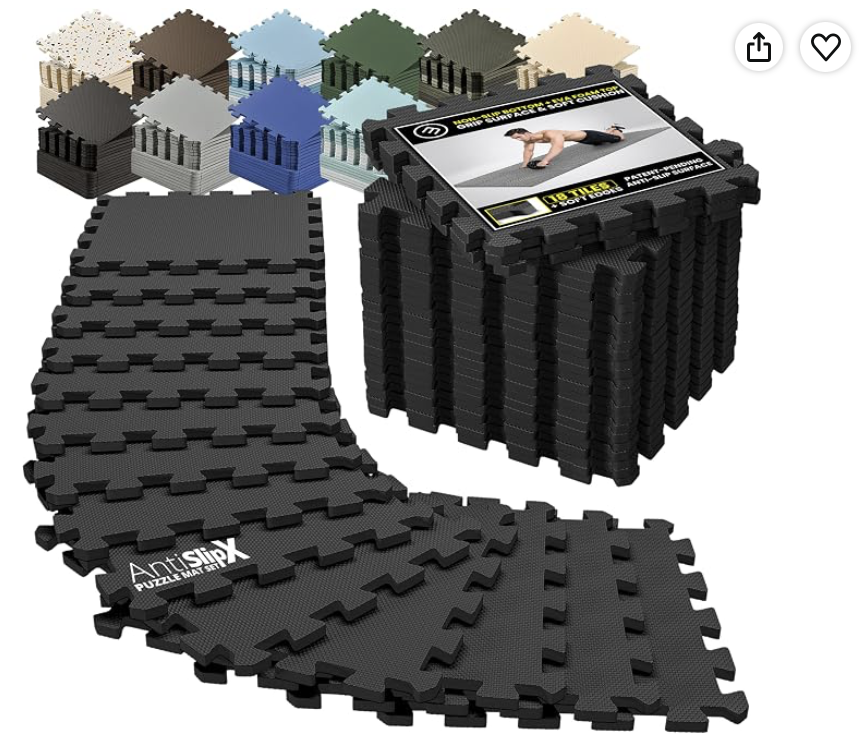
Conversations with multiple professors led to discussions about alternatives. Tufting materials are expensive, and creating a large rug will take a long time. The rug's weight also came up. The project has shifted to one large project that encompasses these ideas and systems. Questions have also come up about the rug's shape, size, and how it will be joined together in the gallery. This is especially true when considering the urban mass and the rug combined into one larger piece in the center of the gallery.
This doesn't mean I don't want to tuft; it means I want to test ideas and materials that could support and extend the rugs and seating solution. Something that lets me cover a lot of space without costing too much or being hard to install. The image above shows foam floor tiles, the kind used in playrooms, gyms, etc. The plan now is to test what it would look like to have a small-scale, hopefully functioning model that lets me test the visual appearance of the combination, and to act as a second round of sketch modeling that was on my to-do list from week #4 before the pause.
This will be my first step back into production! Building a model that will test all these different aspects and help me create and solidify a plan for digital outputs! based on the urban mass.
Connection, communication, language, and space
Thursday, October 1 -
While listening, reading, writing, ordering supplies, looking through job portals, and having conversations with peers, professors, and friends, the thought occurred to me: Now that I have decided on one large project - one project that says everything I have been trying to describe, one system that will act as a gathering piece, a shared space, a space for people to explore, a system and puzzle for people to solve, an experience built on and designed to instigate large-scale connection.
A system that doesn’t function when I, as a person, try to use it by myself. A project and space that create different outcomes and solutions dictated and designed by the temporary community currently occupying the space. A project that communicates connection in multiple ways - multiple ways of connection, yes, but also multiple ways of “instructing” or leading the connections and interactions.
By multiple ways, I mean colors tufted into the rugs, signs and symbols explaining (visually) what needs to be done - someone in the gallery space saying, “Oh, try this” - verbally communicating. When I was thinking about all these different levels of connection, all the different submissions I received from people in different countries, and the examples from the TED radio, the “cult following” that the cartoonist has, or how many people engaged with a LinkedIn post about being laid off, I realized there is a much bigger story to tell here.
The video highlighted being connected to the world but feeling separated- again, a dramatized version of what we can say is a clear shift in communication and how people connect. All of this to say that I cannot ignore the worldly aspect/nature of such a topic. Sure, what may be awkward in one country can be completely normal in another, and what’s considered a difficult thing to do in terms of communication can look extremely different from one place to another; the fact is, everyone experiences feeling disconnected in one way or another.
This project isn’t trying to solve that; I am not saying that if you spend x amount of time engaging with people in this space, you will be able to converse easily and no longer stutter when you order the same coffee you have every day. The thesis questions space as a tool, and this system as an active platform designed to connect, even for the 10, 5, or 3 minutes you spend figuring out a puzzle with someone new; that connection, those moments, are important and should be worked toward.
Again, I understand I cannot accommodate everyone, especially on such a large scale, but I am designing from my own context and perspective and creating a system and supporting graphics that communicate that this solution isn’t about solving; it isn’t about changing; it is about creating connection, showcasing the importance of gathering spaces, emphasizing togetherness, and highlighting the importance of play.
Conversations with committee member
Friday, October 2 -
One caution from the meeting was to avoid creating a frustrating system. People's enjoyment and play shouldn't depend entirely on other people, and when someone gets up and leaves, it shouldn't feel like something was taken away from those still playing. This also made me rethink the word “reward” when describing the system. I realized I didn't have the right word for the input-output relationship between the people in it. A better way to describe it is as a puzzle or a game without a fixed end goal: one with multiple solutions and combinations.
I believe the “frustration,” or rather losing the ability to interact in a certain way because fewer people are present, could be a pain point for people; I believe especially children. But what I think matters more is that that sort of interaction, the removal of the “end goal” of a certain combination of steps or amount of people, will solidify the idea that nothing in this system works alone. The hope is that the enviornoment is positive and inclusive the goal is for the space to feel safe, for one person to say “hey switch places with me I want to try that”. or “hey can you help we need one more person to test this part out” or “wait stay longer”.
We also discussed displaying past projects in the room, showing how the work and the systems got to where they are today. Earlier meetings with other committee members touched on including printouts of the weeklies. Separately, I've been considering creating more traditional graphic design deliverables that support the work, the project's togetherness, and the universality of gathering and the experiences around it. This idea has been on my mind for a while. It would let me create materials in different languages, something I don't usually incorporate in my work but would like to emphasize in my thesis. Looking at job postings, I also think it's important to show that I can communicate in different languages and reach a much wider audience.
During the meeting, I was asked how I see myself: as an artist, a graphic designer, or something else. I said I see myself as a designer because my work revolves around solutions and end goals. In high school, I saw myself more as an artist. My sculptures and paintings were meant to be interpreted however people needed to, based on their own context and perspective; nothing was defined.
Homework!
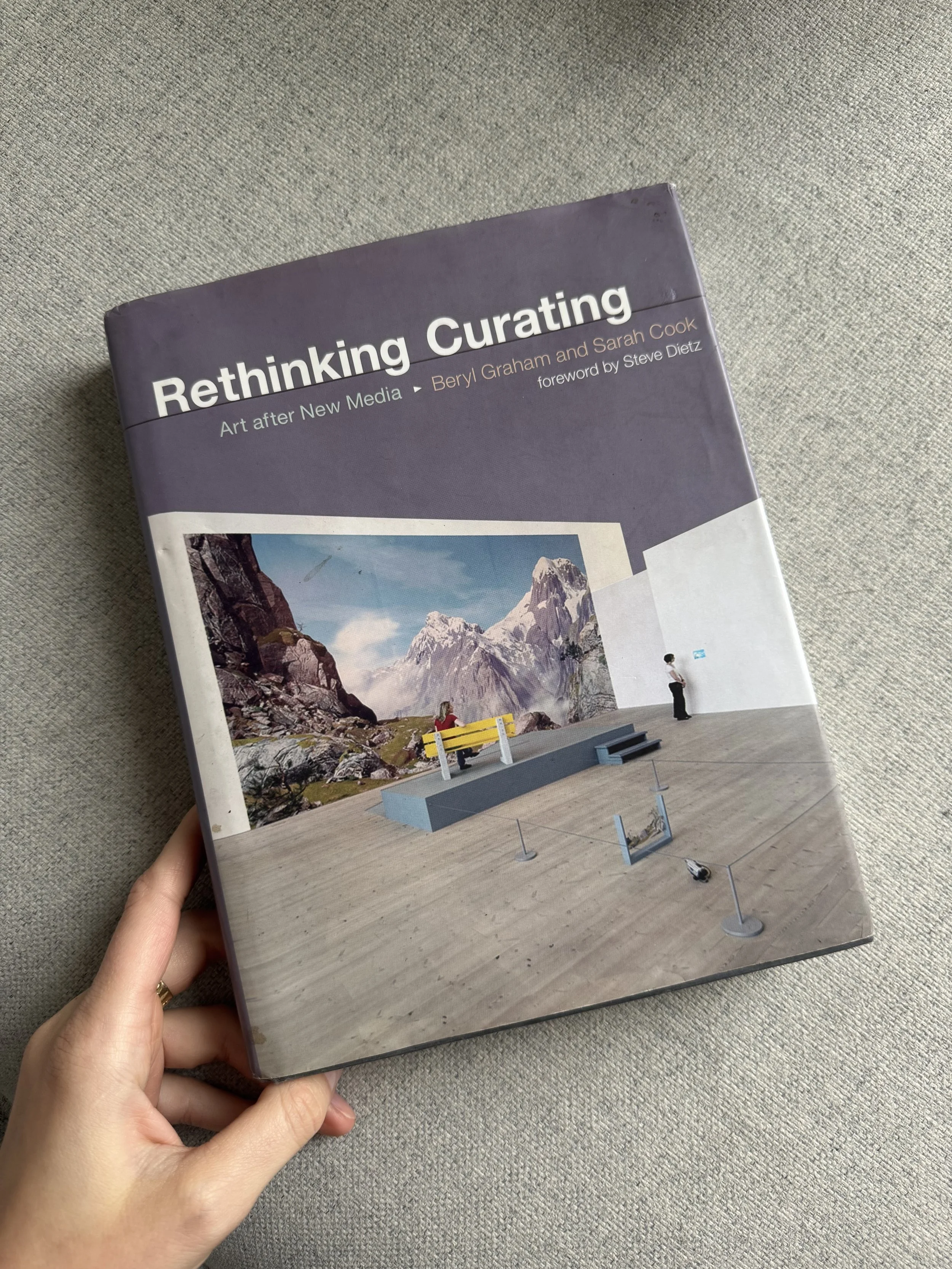
Rethinking Curating: Art After New Media, by Beryl Graham and Sarah Cook.
Specifically, Part One: the chapter about participatory systems! Great start! But read the entire book.
I started reading Poetics of Space (the new book I was introduced to) and, unfortunately, forgot to tackle my current reading list, so both are high priority!
“Rethinking Curating” for how participatory systems are shown specifically in galleries, and “The Poetics of Space” for how people feel about intimate and shared spaces.
IRB THESIS DISCUSSION MEETING
Friday, October 2 -
Meeting with IRB Administrator (exempt review) -
Is it even research? (Federal definition)
During the meeting, the administrator told me that because my project doesn’t solve the problem or create generalizable data, it doesn’t meet the federal definition of research and doesn’t need IRB oversight. Once the product/solution is created, it will not be tested or involve testing with human subjects, as per the current plan.
Some notes and advice were to review the Student Projects section on the IRB website; it outlines what the data can be used for.
Links
https://compliance.iastate.edu/research-ethics-compliance/irb/do-i-need-irb-approval/
https://compliance.iastate.edu/wp-content/uploads/sites/4/pdf/IRB-approval-decision-tree.pdf
I asked about wanting to create surveys that gather information before the creation of the solution - similar to the survey that I created for the video project and was informed that retroactive approval doesn't work; you can't use data for something that wasn't disclosed. I would need to start again and reconnect all the data. But I would still need to go through the IRB and get approval for that portion of the work, even if the rest of the thesisdoesn'’t meet the federal definition of research.
Next, I asked about including photos of people interacting with the final work/product in the thesis and whether or not I am allowed to have photos of people interacting with the work/photos with people in them - I was informed that if the IRB is not involved in or overseeing the thesis, then “We do not have a say” is what the administrator said. I was also advised to talk to people in the GD and HCI departments about that specifically!
I asked more specifically about the work, and we discussed an exception (when IRB is needed): people or work involving human subjectscan'’t be identifiable. Thisdoesn'tt currently apply to my project, but we discussed the process in case my work expands beyond documenting how I create it to evaluating it against human-subjects standards, gathering data, obtaining results, and producing generalizable data.
Resources to explore!
Friday, October 2nd -
iFloor (2004): an interactive floor in a public library. https://dl.eusset.eu/server/api/core/bitstreams/34125699-ffbc-4ee5-93a3-96dc93b0adc1/content & https://ajis.aaisnet.org/index.php/ajis/article/view/126
Jokebox (2016): two strangers must press buttons together to hear a joke. https://discovery.ucl.ac.uk/id/eprint/1474762/1/CSCW16_cameraready_final.pdf & https://dl.acm.org/doi/10.1145/2818048.2835203
GlowSteps (2015): pressure tiles with colored light. http://www.ijdesign.org/index.php/IJDesign/article/view/1754
21 Balançoires (2011): Daily Tous Les Jours https://vimeo.com/40980676 & https://www.dailytouslesjours.com/en/work/21-swings & https://static.dailytouslesjours.com/files/2011/04/Dailytlj_MusicalSwings_ImpactStudy_170809.pdf
LAST WEEK’S [ WEEK #05 ] TO-DO LIST:
Send written ideas, summaries, new titles, and concepts to committee members. (These were presented)
Finalize title and problem statement
Send/present summary to committee members
Start IRB process and CITI training based on current direction
Return to production
IRB Thesis discussion Zoom call
Friday, Sep, 25th
MORE TIME NEEDED
Next week
Next week
MORE TIME NEEDED
Friday Oct 2nd
COMPLETE
COMPLETE
COMPLETE
COMPLETE
IN PROGRESS
COMPLETE
HIGH-PRIORITY TO-DO LIST ITEMS:
Visiting the science center
Finalize the title and problem statement
Return to production (creating a scale model of urban mass, rug combination)
Reading 01 - The poetics of space
Reading 02 - Rethinking Curating
Saturday, Oct 3rd
Friday, Oct 9th
Thursday, Oct 8th
Friday, Oct 9th
Friday, Oct 9th
IN PROGRESS
IN PROGRESS
IN PROGRESS
IN PROGRESS
IN PROGRESS
+MORE ON EVERYTHING NEXT WEEK!
Thank you :)